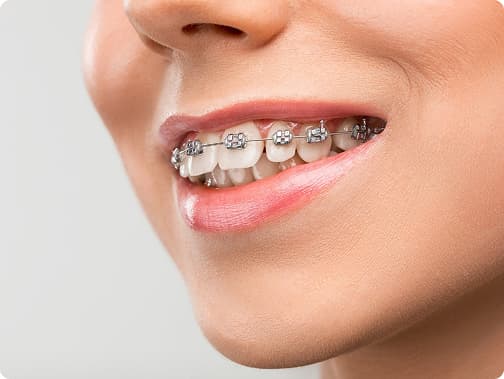
Achieve a straighter, healthier, and more confident smile with advanced braces treatment at Smile Dental Clinic. Dental braces help correct crooked teeth, overcrowding, gaps, misaligned bites, and other orthodontic issues by gradually moving teeth into their ideal positions. We offer various orthodontic solutions, including metal braces, ceramic braces, self-ligating braces, and clear aligners, customized according to each patient’s needs. Our experienced orthodontists provide personalized treatment plans using modern techniques to ensure effective, comfortable, and long-lasting results for improved smile aesthetics and oral health. Slight discomfort after braces placement is normal and usually reduces as you adjust to the treatment.
Restore your smile with professional Dental Braces Fixing services at Smile Dental Clinic. Whether you're getting braces for the first time or need replacement brackets or adjustments, our experienced orthodontists ensure precise and comfortable braces fixing using advanced techniques. We provide metal braces, ceramic braces, self-ligating braces, and clear aligners, carefully selected based on your dental condition and treatment goals. Braces work by applying gentle, continuous pressure to gradually align crooked teeth, close gaps, correct overcrowding, and improve bite problems such as overbites, underbites, and crossbites. Our team follows a personalized treatment approach to deliver safe, effective, and long-lasting results while improving both smile aesthetics and oral health. Mild discomfort after braces fixing or tightening is normal and usually subsides within a few days as your teeth begin to adjust to the treatment.
.svg)
.svg)
Protect your oral health with advanced Dental Caries Treatment at Smile Dental Clinic. Dental caries, commonly known as tooth decay or cavities, occur when bacteria and plaque damage the tooth enamel, leading to holes and infection if left untreated. Our experienced dentists diagnose cavities at an early stage and provide effective treatments, including tooth-colored fillings, root canal treatment, dental crowns, and tooth extractions when necessary. Using modern technology and high-quality restorative materials, we restore the strength, function, and appearance of your teeth while preventing further decay. Early treatment helps relieve pain, preserve your natural teeth, and reduce the risk of serious dental complications. Our personalized approach ensures comfortable, safe, and long-lasting results, helping you maintain a healthy, cavity-free smile.
Protect your oral health with advanced Dental Cavities Treatment at Smile Dental Clinic. Dental cavities, or tooth decay, occur when bacteria and plaque produce acids that demineralize enamel and dentin, causing painful cavities and infections if left untreated. Our experienced dentists diagnose decay early to provide effective solutions—including tooth-colored fillings, root canals, and dental crowns. Using modern technology, we eliminate pain, preserve your natural teeth, and restore their strength and appearance for a healthy, long-lasting, cavity-free smile.
.svg)
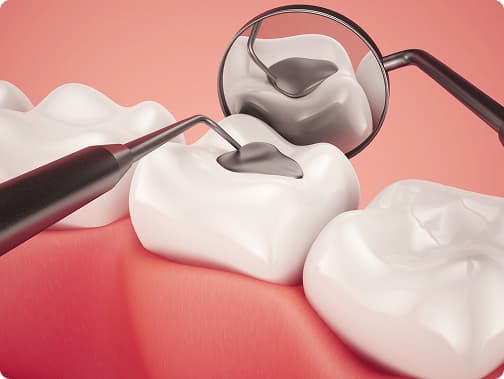
Restore your smile with professional Dental Fillings Treatment at Smile Dental Clinic, a highly effective solution for repairing cavities, cracked or broken teeth, and wear caused by grinding. During the procedure, our experienced dentists carefully remove the decayed portion of the tooth and fill the area using advanced, high-quality materials. We offer a variety of options—including durable gold, aesthetic porcelain, traditional silver amalgam, and seamless tooth-colored composite resin or glass ionomer fillings. By evaluating the location of the decay and your specific budget, we customize the ideal treatment to restore your tooth's strength, function, and appearance for a healthy, long-lasting smile.
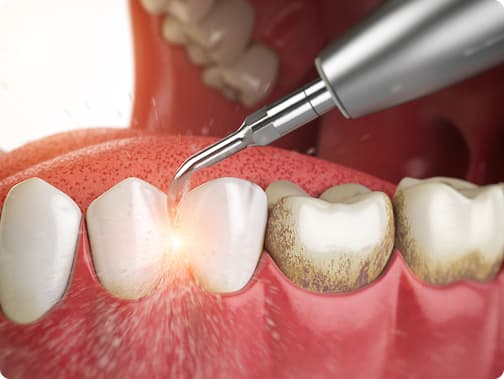
Achieve a brighter, healthier smile with professional Dental Oral Cleaning at Smile Dental Clinic, an essential treatment for maintaining optimal oral health and function. During your visit, our skilled dental team will meticulously clean, polish, and floss your teeth to remove harmful bacteria, hardened plaque, and stubborn tartar that regular brushing misses. Routine cleanings generally take between 30 to 60 minutes, though deep preventive procedures like scaling, root planing, or debridement may take slightly longer. We prioritize your comfort by offering soothing sedation dentistry options for patients with dental anxieties, ensuring a relaxed, stress-free experience. Investing in preventive care like regular teeth cleanings significantly reduces your risk of common oral issues and is much more affordable than complex restorative treatments like fillings, crowns, or bridges. Pair our professional clinic cleanings with diligent at-home brushing and flossing to comfortably preserve a radiant, cavity-free smile and healthy gums for life!
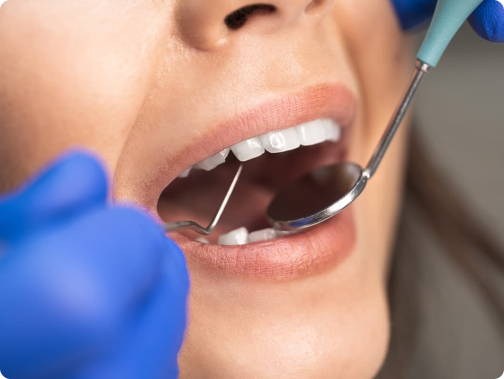
Maintain your bright smile with a routine General Dental Checkup at Smile Dental Clinic, customized entirely to your unique oral health needs. While a dental check-up every 6 months is standard, the ideal time between visits can actually vary anywhere from 3 months to 2 years based on the health of your teeth and gums, alongside your risk of future dental issues. During each personalized check-up, our experienced team will thoroughly examine your teeth, gums, and mouth, review your general health since your last visit, and offer professional lifestyle advice regarding your diet, teeth-cleaning habits, smoking, and alcohol use. We conclude your appointment by discussing the perfect date for your next routine visit, ensuring proactive, preventative care that keeps your teeth healthy, strong, and completely cavity-free.
Restore and protect your gums with advanced Gum Disease Treatment at Smile Dental Clinic. Periodontal disease is a serious infection and inflammation of the gums and supporting bone structure, often triggered by poor hygiene or genetic predisposition. If you notice warning signs like persistent bad breath, bleeding, or swollen gums, early intervention is critical. Gum disease progresses through four distinct stages: gingivitis (the fully reversible early stage), mild periodontitis (where bacteria begin affecting the supporting bone), moderate periodontitis (which erodes the ligaments, soft tissues, and bone holding teeth in place), and advanced periodontitis (resulting in severe bone loss, loose teeth, and potential tooth fall out). While early-stage gum disease is completely reversible, advanced bone damage cannot be reversed; however, our tailored therapeutic treatments combined with diligent, consistent oral hygiene can successfully manage the condition and protect your teeth. Protect your smile today by scheduling a specialized periodontal evaluation with our expert team.
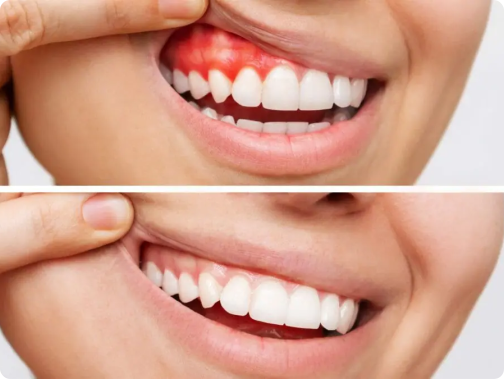

Find lasting relief with advanced Teeth Sensitivity Treatment at Smile Dental Clinic. Tooth sensitivity occurs when your protective enamel wears down or your gums recede over time, exposing the vulnerable inner layer of your teeth and making hot, cold, or sweet foods and drinks painful to consume. While mild discomfort can often be managed with specialized desensitizing toothpaste and good daily dental care, sharp or persistent pain is frequently a warning sign of a more serious underlying issue—such as a cavity, gum disease, a cracked tooth, or reaction to recent dental work. At Smile Dental Clinic, our skilled dentists will thoroughly evaluate your mouth to identify the precise cause of your sensitivity and provide targeted, comfortable treatments to restore your protective enamel, protect your gums, and bring back your pain-free, healthy smile.
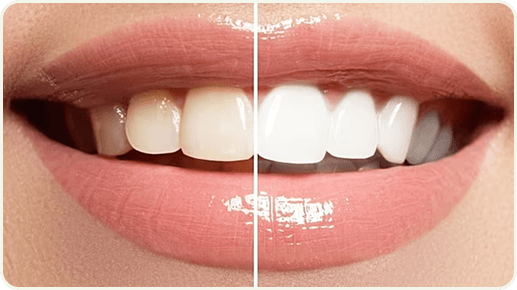
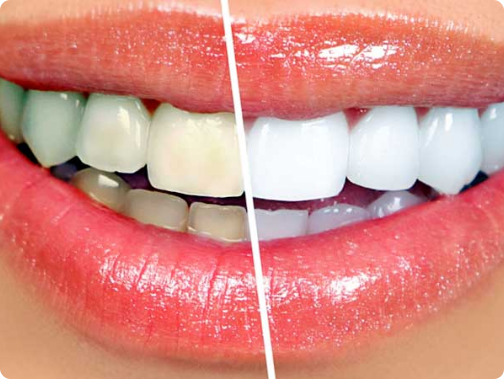
Brighten your smile and boost your confidence with professional Teeth Whitening at Smile Dental Clinic. As one of the most popular cosmetic dental procedures available, professional whitening significantly enhances your overall facial appearance by effectively lifting stubborn stains and removing deep discoloration. Because maintaining a brilliant, radiant smile is an ongoing journey rather than a one-time process, our team is dedicated to providing the regular maintenance visits and personalized care you need to keep your teeth looking their absolute best.
At Smile Dental Clinic, we utilize advanced technical equipment and a team of highly experienced, dedicated dentists to deliver safe, comfortable, and superior whitening results. During your visit, your dentist will carefully evaluate the unique cause of your tooth discoloration to recommend the most effective whitening procedure for your specific teeth.
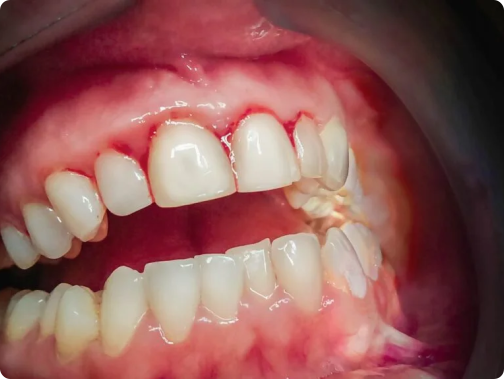
Soothe and protect your smile with professional Tender Gums Treatment at Smile Dental Clinic.
If you are experiencing gum discomfort, swelling, or bleeding, you may be dealing with gingivitis. Gingivitis is a highly common, early form of gum disease that causes painful inflammation of the gum tissue. It typically develops when plaque and tartar build up on the teeth. Fortunately, because gingivitis is a non-destructive type of periodontal disease, it is completely reversible and treatable with early intervention and improved oral hygiene.
Stop tooth decay in its tracks with professional Tooth Decay Treatment at Smile Dental Clinic.
Routine checkups at our clinic are your best defense against decay, helping us detect cavities and other minor dental issues before they escalate into painful, complex problems. The sooner you seek care, the better your chances of reversing the earliest stages of tooth decay and stopping it from worsening. In fact, if a cavity is diagnosed and treated before it starts causing you pain, your treatment will be highly conservative and straightforward.
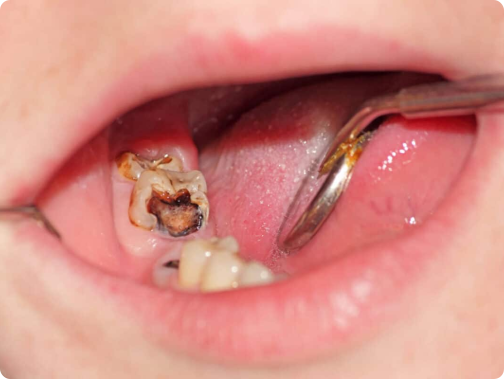

Find fast, lasting relief with professional Toothache Treatment at Smile Dental Clinic.
A toothache can occur for many different reasons—ranging from minor issues like a piece of food or a popcorn hull stuck in your gums, to more severe problems such as a broken tooth or a deep bacterial infection. While temporary gum irritation can sometimes cause mild discomfort, serious or persistent toothaches require professional evaluation and treatment to prevent the underlying issue from worsening.